
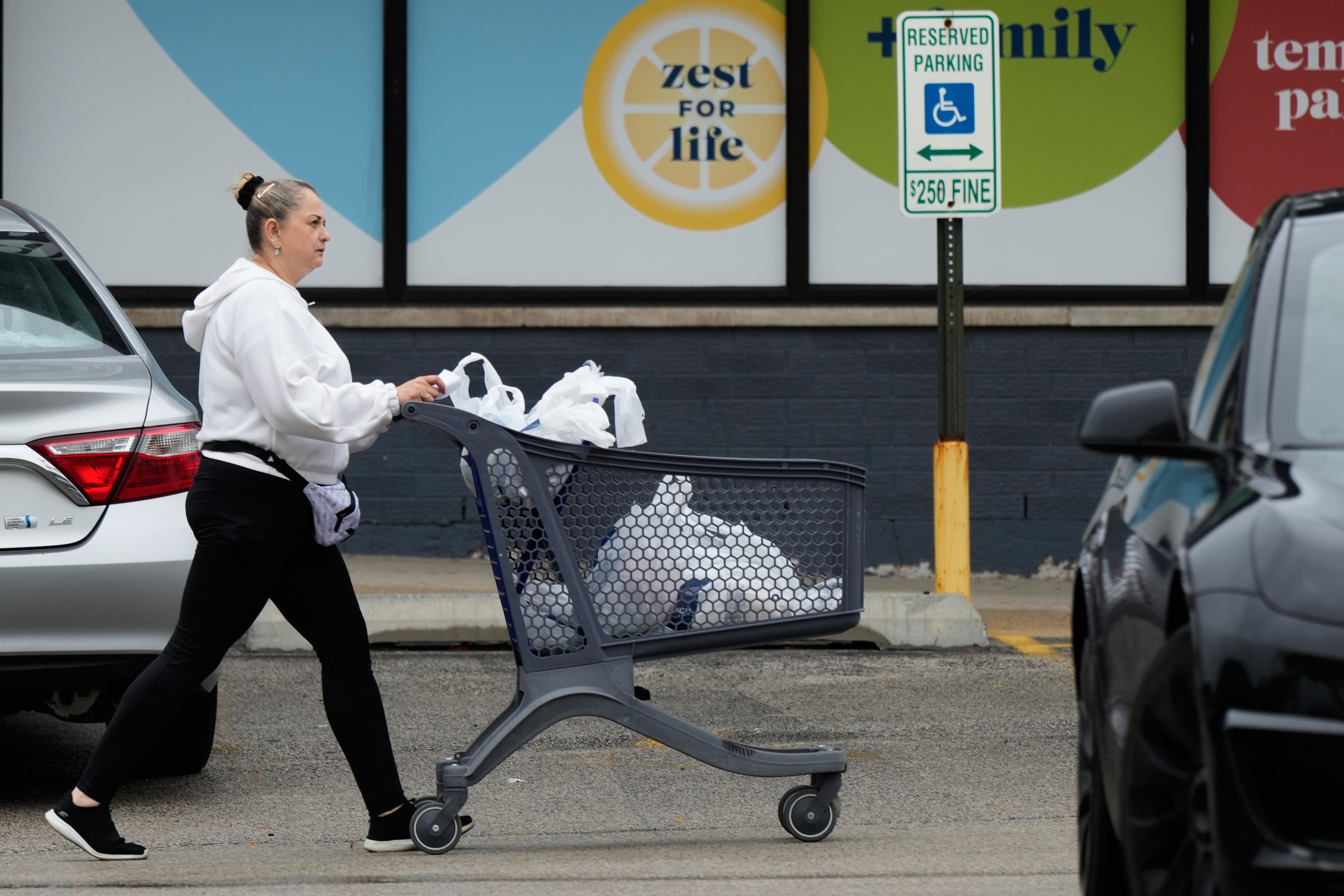
Proposed state legislation that would create tax incentives for independently owned grocery stores and pharmacies aims to help small businesses invest in their operations, and retain and hire workers, officials say.
Both the Illinois Department of Commerce and Economic Opportunity and the Illinois Retail Merchants Association support House Bill 5828 (EDGE Essentials).
In communities with limited access to grocery stores or pharmacies, these businesses are crucial to residents who might otherwise need to travel significant distances to meet basic needs, according to a DCEO news release.
EDGE Essentials is designed to ease the strain of opening or maintaining an independent store amid rising costs, the agency said Wednesday.
The program would provide access to several tax benefits through an application process. Benefits would include enhanced incentives for businesses located in designated food or pharmacy deserts, where maintaining access to essential goods and services can be challenging, the release said.
“Independent grocers and pharmacies are important parts of the local economy, creating jobs, investing in their communities, and making sure families can access the everyday essentials they need,” said DCEO Director Kristin Richards. “By making it easier for independent retailers to access incentives for hiring and expansion, we can support small businesses while strengthening local economies and helping communities across our state thrive.”
Rob Karr, president and CEO of the Illinois Retail Merchants Association, said pharmacies and grocery stores are essential to the health and well-being of communities, but operate on the “thinnest of margins and are finding it increasingly difficult to keep their doors open.”
“EDGE Essentials will help relieve some pressure by providing tax benefits to independent grocery stores and pharmacies in exchange for meaningful investments, including hiring and retaining employees, and improving property and store fronts,” he said.
Under the program, eligible businesses would need to be independently owned, with no more than four stores, and plan to make a qualifying capital investment of at least $500,000. Grocery stores with more than 15 employees would be required to make a capital investment of at least $1 million. Participating grocers also would be required to accept Supplemental Nutrition Assistance Program and Women, Infants, and Children benefits.
EDGE Essentials would establish two primary benefits:
• Payroll withholding credits: Businesses located in food or pharmacy deserts could receive a credit of up to 100% of payroll withholding for new employees and 50% for retained employees. Businesses outside designated deserts could receive credits of up to 75% for new employees and 25% for retained employees.
• Enterprise Zone High Impact Business benefits: Eligible businesses would be automatically enrolled in the Enterprise Zone High Impact Business Program, providing access to applicable tax benefits, including a sales tax exemption on qualifying building materials.
“Our state's tax incentives can't just be about helping big corporation land big projects,” said House Assistant Majority Leader Will Guzzardi of Chicago. “We can use tax policy to help small independent businesses meet basic needs in underserved communities.”
The legislation is in response to significant changes to the national policy affecting food assistance and independent retailers. Federal legislation surrounding SNAP changes, unpredictable tariffs, and rising fuel costs have raised expenses for households already experiencing food insecurity and for the independent grocers that depend in part on SNAP-supported sales, according to the release.
mkrishnamurthy@dailyherald.com